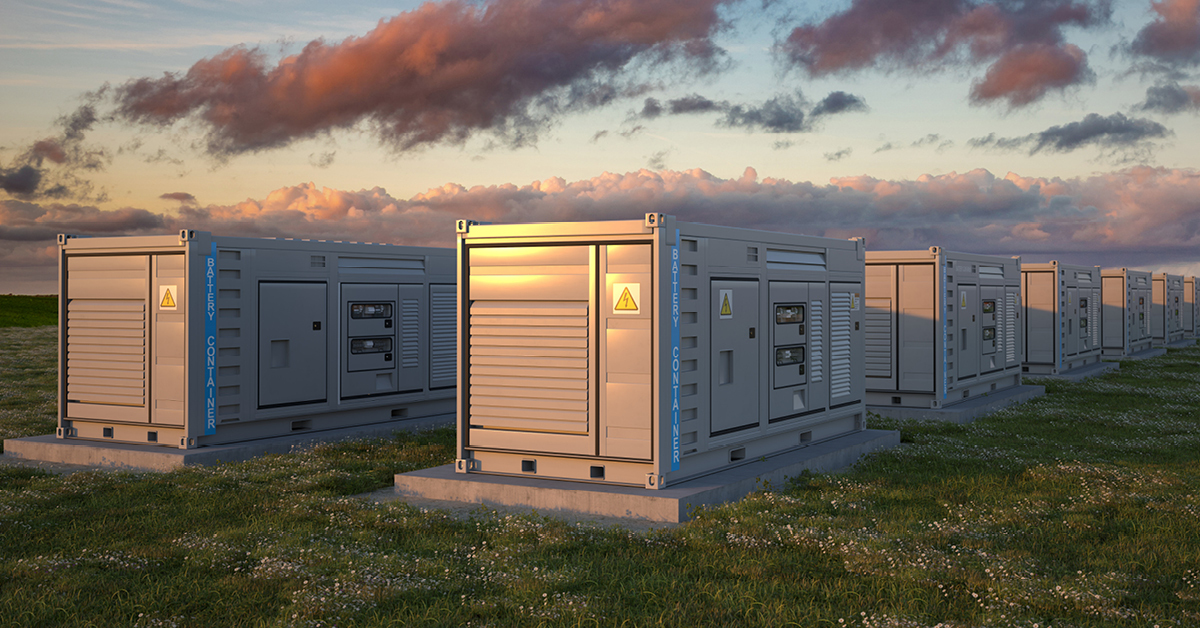



From grid connections to high-voltage commissioning, conversations at Solar & Storage Live highlighted the specialist talent needed to deliver the next generation of energy projects.
When the JAM team attended Solar & Storage Live, one message stood out: the conversation is moving beyond solar generation alone.
While solar and battery energy storage systems (BESS) remain central to the sector, many of our discussions focused on the wider infrastructure required to bring these projects online.
From grid connections and high-voltage engineering to testing, commissioning and energisation, it became clear that access to experienced technical specialists is a key consideration for project delivery teams.
For employers, this raises an important question: how do you secure the right expertise at the right stage of a project?
The Shift from Solar to Power Infrastructure
One of our biggest takeaways from the event was the increasing focus on power infrastructure.
Delivering a utility-scale solar or BESS project involves much more than installing generation or storage assets. These developments also require complex electrical infrastructure, grid integration and specialist engineering expertise to ensure they can operate safely and reliably.
As projects progress towards connection and energisation, the technical requirements become increasingly specialised.
Several conversations at the event centred on grid connections, high-voltage (HV) and extra-high-voltage (EHV) systems, and the challenges of securing experienced professionals with the appropriate authorisations.
In particular, the availability of experienced 132kV Authorised Persons (APs) and Senior Authorised Persons (SAPs) emerged as a recurring topic.
These discussions reinforced an important point: successful energy project delivery depends not only on the technology being installed, but also on having the right people in place to connect, commission and energise it.
The Specialist Skills Behind Successful Project Delivery
As solar and energy storage developments become more technically demanding, the skills required to deliver them extend across several critical disciplines.
Our conversations at Solar & Storage Live highlighted particular interest in professionals with expertise in:
-
HV/EHV engineering: Supporting high-voltage electrical infrastructure and safe operation across complex energy projects.
-
132kV Authorised Persons and Senior Authorised Persons: Providing the relevant operational authorisations and expertise required for high-voltage activities.
-
HV commissioning: Testing and preparing electrical systems for safe and reliable operation.
-
Protection and control engineering: Developing and validating systems that protect electrical networks and equipment.
-
Substation engineering: Supporting the construction, installation and commissioning of essential grid infrastructure.
-
SCADA systems: Enabling the monitoring and control of electrical assets.
-
Grid compliance: Helping projects meet the technical requirements necessary for connection and operation.
These are highly specialised disciplines, often requiring significant practical experience and a strong understanding of safety-critical environments.
Finding professionals with the right combination of technical expertise, project experience and relevant authorisations can therefore present a significant recruitment challenge.
Why Timing Matters When Recruiting Specialist Contractors
Another important theme emerging from the event was the relationship between project milestones and contractor requirements.
For many energy infrastructure projects, recruitment needs are closely linked to specific delivery stages.
During construction, employers may need experienced electrical and substation specialists. As projects approach testing and commissioning, demand can shift towards HV commissioning engineers, protection engineers and appropriately authorised personnel.
By the time a project reaches energisation, having the right expertise available is particularly important.
The challenge is that these requirements can be time-sensitive. If a specialist contractor is unavailable when needed, it can create additional pressure on project schedules and delivery teams.
This makes proactive workforce planning essential.
Rather than approaching recruitment as a series of isolated vacancies, employers can benefit from identifying their specialist resource requirements against upcoming project milestones.
Understanding who will be needed, when they will be needed and what authorisations they must hold can help reduce recruitment-related delivery risks.
For specialist recruitment partners, it also highlights the value of maintaining relationships with experienced contractors before an immediate requirement arises.
One Specialist Skillset, Multiple Sectors
Perhaps one of the most interesting insights from Solar & Storage Live was how transferable many of these technical skills are.
Although our discussions took place within a solar and energy storage environment, the expertise required is not exclusive to renewable energy.
Experienced HV/EHV engineers, commissioning specialists and substation professionals can also play important roles across:
-
Solar energy: Supporting grid connections, electrical infrastructure and commissioning.
-
Battery energy storage systems (BESS): Delivering electrical integration, testing and energisation.
-
Grid infrastructure: Supporting substations, network upgrades and high-voltage systems.
-
Data centres: Providing specialist electrical infrastructure, power distribution and commissioning expertise.
For employers, this creates both opportunities and challenges.
Professionals with relevant high-voltage experience may be able to transfer their expertise between sectors, broadening the potential talent pool.
However, organisations may also find themselves competing for individuals with similar specialist capabilities.
Understanding these transferable skills, while recognising the project-specific experience and authorisations required, is therefore an important part of effective recruitment.
Supporting the People Behind Power Infrastructure
At JAM, our focus is on connecting organisations with the specialist engineering and technical professionals needed to deliver complex projects.
The conversations we had at Solar & Storage Live reinforced the importance of looking beyond individual technologies and understanding the wider infrastructure, skills and project milestones involved.
Whether supporting solar developments, battery storage projects, grid infrastructure or other power-intensive environments, access to experienced contract professionals can make a meaningful difference to project delivery.
By taking a specialist, project-led approach to recruitment, we can help employers identify the expertise they need at critical stages, while connecting skilled contractors with opportunities that match their experience.
Looking Ahead
Solar & Storage Live provided a valuable opportunity to speak directly with industry professionals about the practical challenges facing energy project delivery.
Our biggest takeaway? The conversation is no longer just about generating and storing energy. It's also about the infrastructure, expertise and people required to connect it all together.
As projects move from development through construction, commissioning and energisation, specialist technical talent will remain an essential part of successful delivery.
For JAM, these conversations reinforced the value of understanding not just the roles employers need to fill, but the project milestones driving those requirements.
Planning an upcoming solar, BESS or power infrastructure project?
Whether you're looking for experienced HV/EHV contractors, commissioning engineers, protection specialists or authorised personnel, James Turnpenny who heads up the JAM Energy team would love a conversation about your project requirements - click here to book a call.