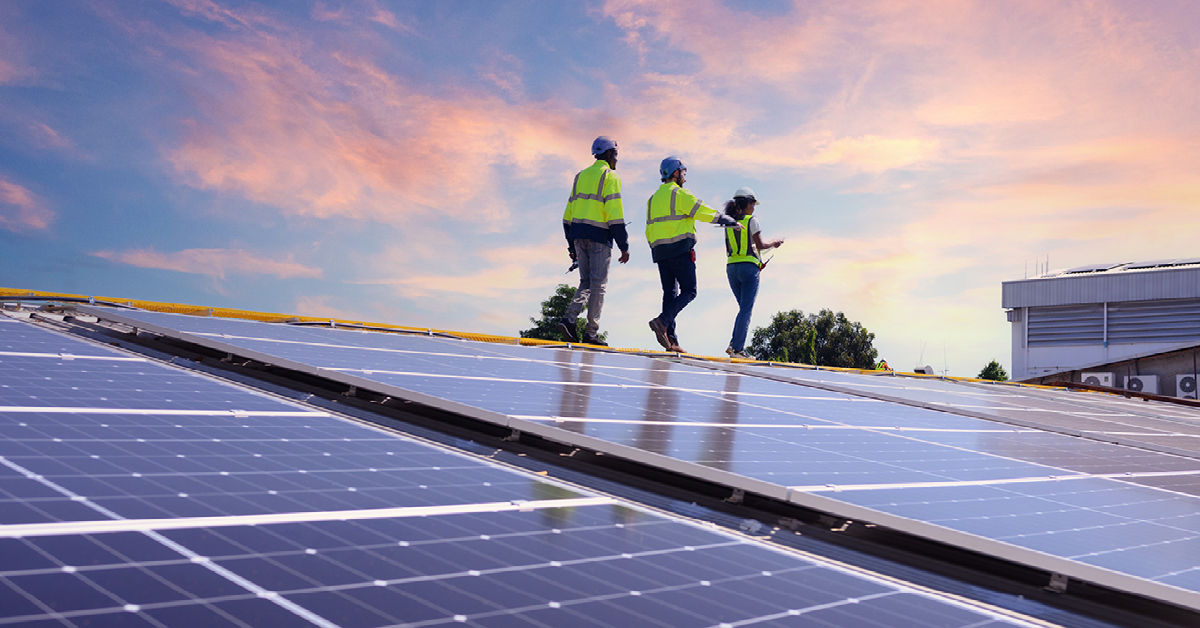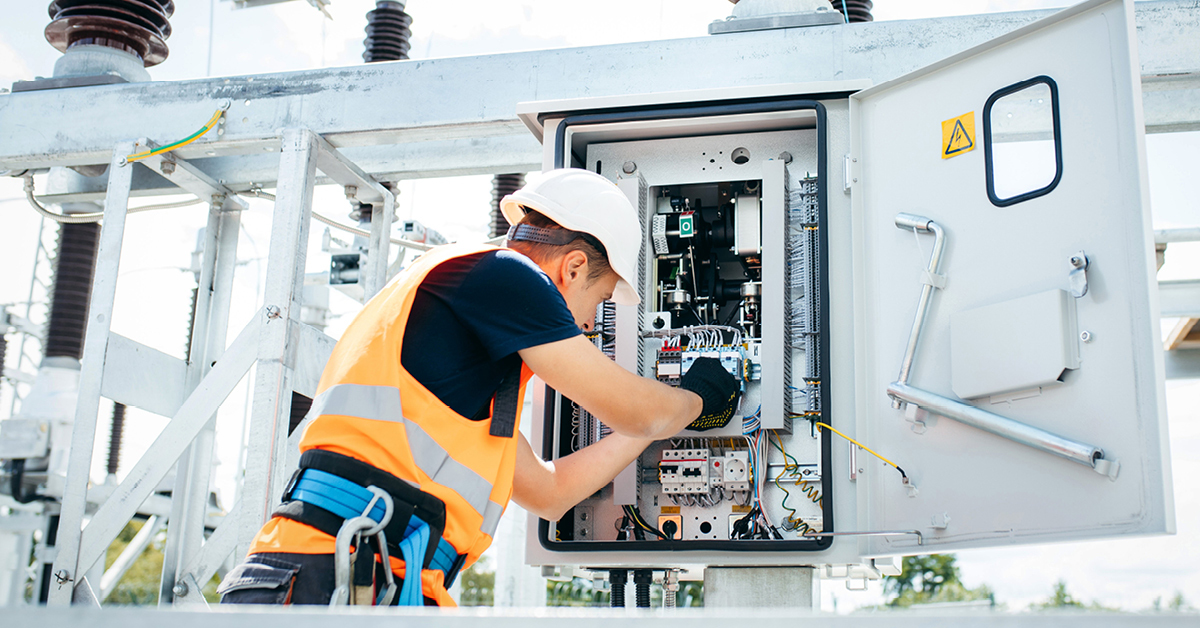


Much of the recent focus surrounding the government’s clean energy strategy has been on the benefits of solar, wind and nuclear. However, two lesser-known but fast-growing technologies have the potential to help the UK not only reach its energy transition targets but also create thousands of highly skilled jobs around the country. We take a look at the growth of Energy from Waste (EfW) and battery storage and how employers, candidates and recruiters can anticipate the challenges and opportunities that these ‘emerging’ technologies bring.
Energy from waste
As far back as the 1970s, the UK was producing Energy from Waste. Today, there are 63 EfW plants, each processing almost 20 million tonnes of waste each year and producing around 10,040 GWh, or about 3.6% of the country’s net electricity generation. This not only saves non-recyclable materials from going into landfill but also cuts around 200kg CO2e (carbon dioxide equivalents) from going into the atmosphere for every tonne of waste processed.
In the last 50 years, EfW has developed to include carbon capture and storage (CCS), a relatively new technology that removes carbon from the atmosphere to help reduce emissions. Examples of this include:
-
The Protos Energy Recovery Facility near Ellesmere Port on The Wirral, scheduled to open in 2029, will be the UK’s first full-scale carbon capture project for EfW. Once in operation, it will process around 500,000 tonnes of waste each year, generating 49.9 MW of sustainable electricity for the National Grid and capturing approximately 370,000 tonnes per year of CO2. This unwanted gas will then be pumped into depleted gas fields in Liverpool Bay as part of the HyNet North West decarbonisation cluster. There is also the potential to create district heating networks, using residual heat, saving consumers money and helping to protect the environment
-
The EfW sector could be carbon-negative by 2035, removing up to 10 million tonnes of durable carbons by 2040 and reducing emissions by 70%, far in excess of current Climate Change Committee projections
-
EfW is also increasing in popularity as part of a resource recovery and circular economy, which transforms waste into fuel or raw materials through processes such as reuse, refurbishment, recycling and maintenance in order to eliminate waste and pollution, recirculate products and materials and regenerate nature.
In the near-term, EfW plants will need to be upgraded and decarbonised and this, together with new ones coming online, will lead to a demand for:
-
Process engineers with CCS skills
-
Chemical engineers
-
Carbon monitoring and accounting specialists
-
Retrofit and upgrade project managers
-
Environmental compliance professionals.
The EfW sector, once thought to be in decline, is now thriving and becoming increasingly technically complex, driving demand for experienced professionals whose skills may have been gained in other industries.
Battery storage
The production of electricity by renewables has increased markedly over the last 10 years. In 2016, 15.3% of electricity was produced from renewable sources. Today it’s 58% against the government’s Clean Power 2030 Action Plan target which aims for 100% by the end of this decade. This figure will only rise, as more renewable projects come online, which is good news for employees, consumers and the planet.
However, with the increasing production of clean, green electricity, including that from EfW, comes the challenge of storing it then releasing it when demand is highest, usually in winter, at peak times of the day (between 4pm and 7pm), and during what suppliers refer to as ‘TV pick-ups’ which can be popular TV shows or sporting events (last year 12.5 million of us watched England Women’s Euro 2025 win against Spain).
This technology is driving record levels of battery energy storage system (BESS) project developments such as:
-
A £1 billion, 3 GWh BESS at Welkin Mill in Stockport has recently come on line. With a 20 megawatt capacity, this facility can store enough clean energy to power 20,000 homes for over two hours. Two new sites are also planned in Chesterfield and Cardiff, supporting grid flexibility which is a key requirement as the demand and supply of renewables grows
-
The Thorpe Marsh Green Energy Hub in South Yorkshire will become one of Europe’s largest battery storage sites with a large 1.4GW project and another smaller 50MW BESS when it opens later this year.
The UK currently has over 6.8GW/10.5GWh of operational battery storage, against the government’s target of between 23GW and 27GW by 2030, and across the country, more BESS systems are under construction to maintain stability when more renewables come online. Importantly for future investment, the UK has retained its position as the second leading market for battery storage in Europe, just behind Germany, in terms of installed capacity and attractiveness to investors, and recent changes to Ofgem regulations, which included the clarification of electricity storage in the planning and licensing system, have also boosted investor confidence.
This expansion of the BESS development programme has had a dramatic effect on the skills required to effect it and employers specialising in this technology are increasingly looking for professionals such as:
-
Power system and electrical engineers
-
Grid protection and connection specialists
-
Construction and civil managers
-
Commissioning engineers
-
SCADA and control systems experts
-
Asset managers and performance analysts
-
Software and data specialists.
BESS projects require a combination of traditional power engineering skills and modern digital ones, resulting in a demand for professionals who can offer employers hybrid capabilities.
What are the implications for skills and hiring?
The growth of EfW projects and battery storage requires hiring strategies that respond to their phases. Hiring demand peaks during the development and construction phases, then levels out to create long-term, operational roles. However, the skills levels required remain high in each phase and create a triple challenge for employers:
-
A shortage of technical and trades skills
In its Clean Energy Jobs Plan, the government estimates that the clean energy sector will need a total workforce of 860,000 by 2030 – that means an additional 400,000 new jobs compared to what we have today. Despite these numbers, this still leaves employers in fierce competition for professionals with experience of, for example, high-voltage systems, rotating plant, grid connections and process engineering, roles that were uncommon in the energy sector until relatively recently and which are also in demand in the hydrogen, offshore wind and traditional utilities sectors, creating additional competition.
-
The growth of digital skillsets
Battery storage and EfW projects rely on digital skills before they’re even built and employers are increasingly looking for candidates who can combine engineering and data skills to ensure that, for example, carbon monitoring systems or battery optimisation function correctly. Data analytics, automation and digital control systems all require hybrid skills in systems integration, software and predictive maintenance.
-
Reskilling and workforce planning
Successive governments have admitted that expanding the clean energy sector is as much a workforce planning challenge as it is a technical and infrastructure problem and reskilling can help to overcome the evident shortages. It’s not simply a question of bringing forward the next generation of professionals through apprenticeship initiatives such as the Green Skills Advisory Panel, but helping professionals currently working in industries such as oil & gas, heavy industry and traditional power generation to reskill, upskill and carry their transferable skills into these new technologies.
How JAM can help
In rapid growth projects such as EfW and battery storage, recruitment strategies must be proactive rather than reactive, and plan for a future that began yesterday. JAM has over 25 years’ experience in sourcing the best engineering talent for the power generation and storage sectors so we can not only offer our advice and expertise to employers but also to talent looking to make the move into the industry.
We can help with:
Building talent pipelines early – we advise our clients in the EfW and battery storage sectors to begin their talent search at least 12-24 months before projects begin to ensure that they have the right people in place when they need them. We can help employers source and nurture the talent they need by mapping regional talent pools that include local project sites and identify adjacent industries that offer transferable skills. Our expertise in grid and planning reform also enables us to anticipate hiring surges to predict where demand will occur next.
Expanding the candidate pool – we also advise our clients to broaden their hiring criteria to include skills-based hiring and to recognise qualifications and competencies achieved through non-traditional pathways, in-work training, and micro-credentials (short, personalised, and flexible competency-based qualifications).
Salary benchmarking – in order to be able to attract and retain the professionals they need, we can offer our salary and benefit benchmarking expertise, ensuring that the salaries that they offer reflect the skills the talent has as well as the demand for their expertise.
EfW and battery storage may not seem as glamorous or as high-profile as other green energy projects but they play a vital role in the UK’s transition to a low-carbon economy and a cleaner, greener world. What may hold the country back, however, is the lack of homegrown, qualified and experienced people to move the sector forward. Strategic workforce planning is essential to create the jobs, skills and wider benefits that clean energy promises.
For more information about how we can support your green energy recruitment needs, particularly in EfW and battery storage, contact us.